06/10/26
Best of the West: Westerners on the World Cup roster, carbon capture in California, rural loan modernization, oyster innovation in Washington, and a new Wyoming hatchery

The Western Governors' Association keeps you updated on the latest news in the West. Here are the top stories for the week starting June 8, 2026.(Photos courtesy of Adobe Stock Images and California Resources Corporation).
The U.S. men’s soccer team will kick off its World Cup campaign tonight, June 12, at 6 p.m. PDT, when it takes on Paraguay at SoFi Stadium in Los Angeles. The match will be broadcast on Fox.
With an expanded 48-team format and home-field advantage — six of the 11 U.S. host sites are located in the West — the U.S. has a strong opportunity to make a run.
According to DTAI Sports Analytics Lab at KU Leuven, a research university in Belgium, the U.S. men’s team has a 77% chance of advancing out of the group stage, in which it will face Paraguay, Turkey, and Australia.
The team’s best modern World Cup finish came in 2002, when it reached the quarterfinals. That remains the only time the U.S. men have won a knockout-round match in the modern World Cup format.
With a deep run possible, let’s get to know some of the players representing the West.
Cristian Roldan grew up in Artesia, California, and was named the 2013 Gatorade National Player of the Year while playing for El Rancho High School in Pico Rivera. He went on to play college soccer for the Washington Huskies and now serves as captain of Seattle Sounders FC.
Weston McKennie was born in Fort Lewis, Washington, though he considers Little Elm, Texas, his hometown. He currently plays for Juventus in Italy’s Serie A. McKennie made his U.S. Men’s National Team debut in 2017 at just 19 years old and helped the team win the Concacaf Nations League in 2021, 2023, and 2024. He was named the tournament’s best player in 2021 and earned U.S. Soccer Male Player of the Year honors in 2020.
Max Arfsten was born in Fresno, California, played college soccer at the University of California, Davis, and now plays for the Columbus Crew. He was called up to the Men’s National Team in 2025 and started all but one match during the 2025 Concacaf Gold Cup, where the U.S. finished second to Mexico.
Ricardo Pepi, a striker from El Paso, Texas, currently plays for PSV in the Netherlands’ Eredivisie. He was first called up to the U.S. Men’s National Team in 2021 but did not make the 2022 World Cup roster.
Haji Wright was born in Los Angeles, California. After making his professional debut with the New York Cosmos in 2015 at just 17 years old, he has spent most of his career in Europe. He currently plays for Coventry City and was called up to the U.S. Men’s National Team for the 2022 World Cup. Wright scored the United States’ lone goal in its 3–1 loss to the Netherlands in the round of 16.
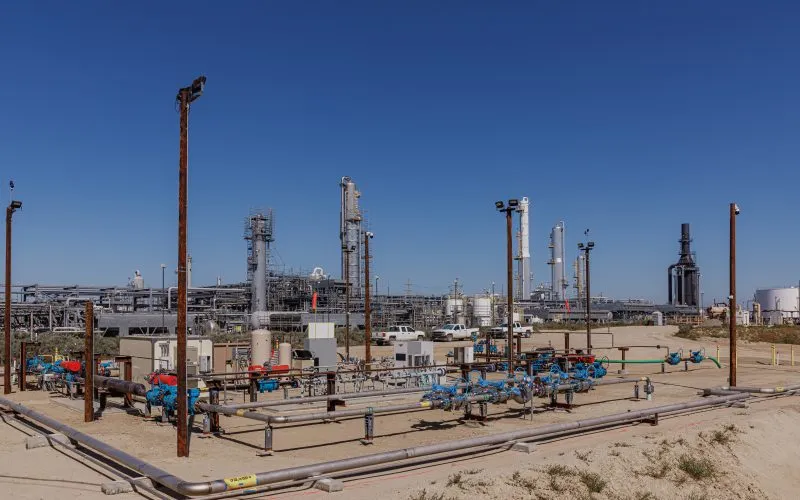 Commercial Carbon Capture: Last week, California Resources Corporation (CRC) announced the launch of California’s first operational carbon capture and storage facility. Located in Kern County, it will capture CO2 from CRC’s cryogenic gas plant and store it in depleted oil and gas reservoirs more than a mile underground. At full capacity, one of the two reservoirs is expected to store up to 1.46 million metric tons of CO2 annually, with total storage potential reaching 38 million tons. Furthermore, CRC has already submitted eight additional storage reservoirs for Class VI permitting.
Learn more about the potential for carbon capture by listening to an episode of WGA's Out West podcast with Wyoming Governor Mark Gordon, or by reading the Decarbonizing the West initiative report.
USDA Loan Modernization: The U.S. Department of Agriculture (USDA) announced that it will begin streamlining 130 loan and grant systems that support farmers, ranchers, and rural communities into one platform. With a single customer file, step-by-step intake and eligibility tools, and online payments, this modernized platform will manage 1.2 million current active files all in one place, enabling employees to deliver faster service to customers and lending partners.
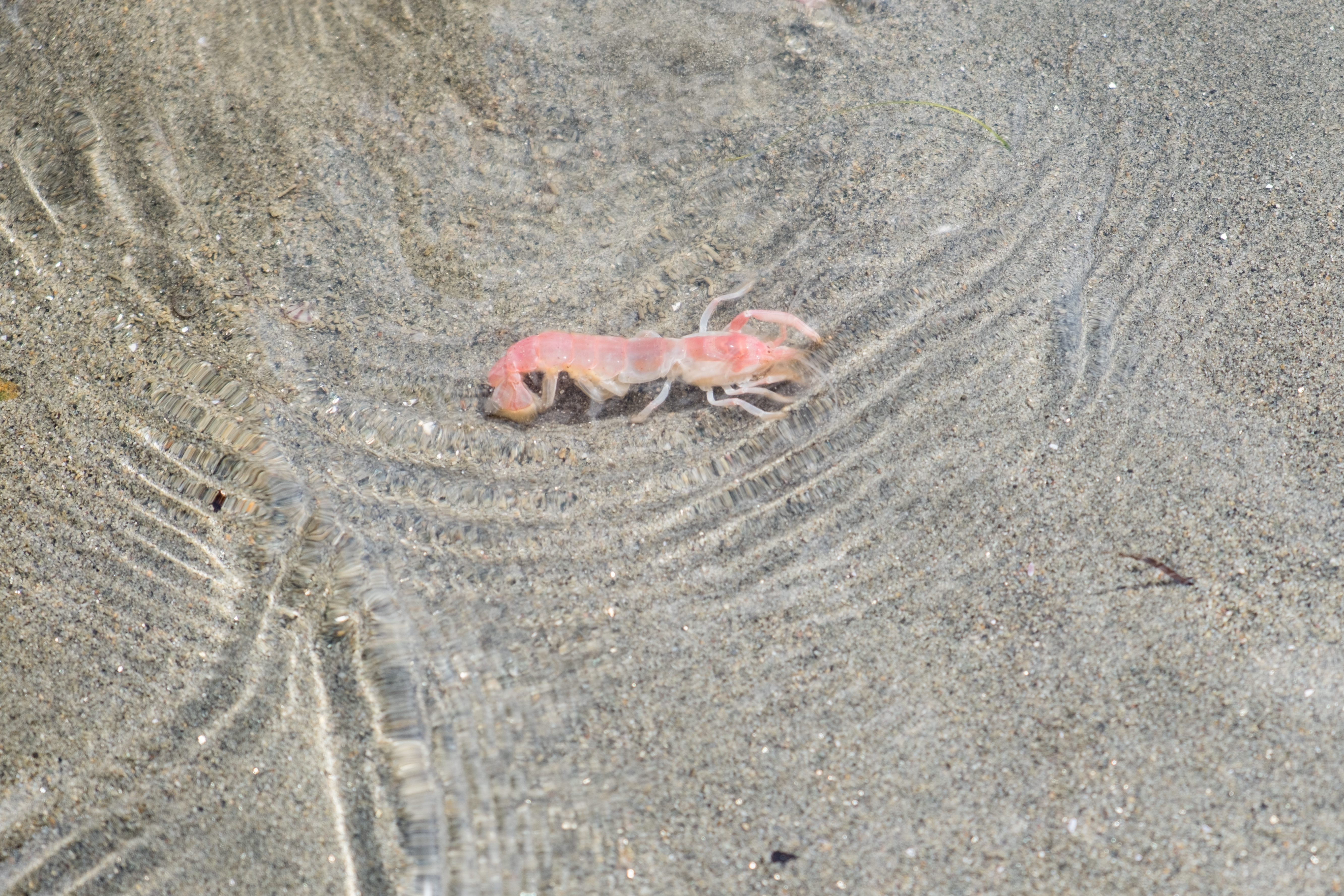 Save the Oysters: A new study from two biologists at the University of Washington outlines a nontoxic method to control the burrowing ghost shrimp that have devastated Washington’s $270-million oyster industry. To limit the spread of the shrimp, which kick up sediment that buries and suffocates oysters, the UW biologists move vibrocompaction tools — commonly used in large-scale concrete pours — across targeted plots of mud in the tide flats. This compacts the sand and suffocates the shrimp, leaving behind restored mud flats that are ready for re-seeding by the oyster growers.
“With the vibrocompaction technology, our results from last summer say that we can trap 72-98% of them underground,” Jennifer Ruesink, one of the UW biologists who co-authored the study.
Fish Hatchery: The Wyoming Game and Fish Commission recently approved nearly $21 million to expand the Dan Speas Fish Hatchery outside Casper. Once completed, the extended hatchery will be able to produce not just trout species, as it has for decades, but also cool- and warm-water sportfish like walleye, crappie, bluegill, largemouth bass, and tiger muskie.